
Travel Smarter: Your Guide to eSIM for International Trips
An eSIM for travel is a digital SIM card embedded in your phone, letting you connect to local networks abroad without swapping plastic cards. You activate a travel eSIM by scanning a QR code or using an app, instantly gaining access to data plans in your destination. This means instant, reliable connectivity without roaming fees, keeping you online the moment you land. It’s the simplest way to stay connected, navigate, and share your journey anywhere in the world.
What Makes a Virtual SIM Card Essential for International Trips
A virtual SIM card, or eSIM, has become essential for international trips because it lets you activate a local data plan before you even board the plane, bypassing the airport kiosk scramble and avoiding sky-high roaming fees. Instead of swapping fragile physical SIMs, you simply scan a QR code to get connected immediately upon arrival, keeping your primary home number active for verification texts.
This means you never lose access to maps, translation apps, or ride-hailing services—the digital lifelines for navigating a foreign country—from the moment you land.
It also eliminates the risk of losing or damaging your physical SIM card while switching networks, ensuring seamless connectivity across different countries on a single trip without juggling tiny chips.
Key Differences Between Physical SIM Cards and Digital Profiles
The fundamental difference lies in physical tangibility versus digital provision. A physical SIM is a removable chip requiring manual insertion, while a digital eSIM profile is downloaded and activated via software, eliminating the need to swap cards. For travelers, this means an eSIM allows instant connection to local networks without carrying or risking a tiny plastic card. In contrast, a physical SIM can be removed or lost, whereas a digital profile is fixed to the device. Switching between providers is simpler with eSIMs, as you manage multiple profiles in settings, not by physically changing cards.
Q: What key difference affects switching carriers while abroad?
A: With a physical SIM, you must physically swap cards; a digital eSIM profile allows switching carriers through device settings in seconds, without handling hardware.
Why More Travelers Are Switching to Embedded SIM Technology
More travelers are ditching physical plastic for the seamless connectivity of embedded SIM technology. Instead of hunting for local SIM kiosks after a long flight, you simply download a data plan before departure. This eliminates the risk of losing or damaging a tiny card while swapping it in a cramped airport seat. Switching is also about instant activation; you land and your phone is already online, avoiding expensive roaming fees or dead zones. The convenience of managing multiple international profiles without carrying spare SIMs makes embedded technology the obvious choice for modern, dynamic trips.
How to Check Device Compatibility Before You Go
Before your trip, you should first check if your phone is unlocked—a carrier-locked device won’t accept a new eSIM. Then, navigate to your settings to confirm your phone supports eSIM; most newer models do, but older ones might not. For example, while packing your suitcase for a weekend in Paris, you realize your iPhone XS or later, or a recent Samsung Galaxy, is likely compatible, but you must verify that your specific model isn’t a carrier-sold variant that restricts eSIM use. Finally, ensure your phone’s software is updated to the latest version, as outdated systems can fail to install the eSIM profile.
List of Popular Smartphones That Support Remote SIM Provisioning
For travel, verifying your device supports remote SIM provisioning is essential. Apple’s iPhone XS and newer models, including all iPhone 12 through 15 series, natively support this feature. Google’s Pixel 3a and later, such as the Pixel 8 and 9, also include built-in eSIM compatibility. Samsung’s Galaxy S20 and newer S-series, along with all Z Fold and Z Flip models, enable remote provisioning directly. Other popular options include the Motorola Edge+ (2022 onward) and Huawei P40 series. These phones eliminate the need for physical SIM swaps while abroad.
A wide range of modern iPhones, Google Pixels, and Samsung Galaxy flagships support remote SIM provisioning for travel.
Verifying Carrier Unlock Status and Regional Restrictions

Before purchasing an eSIM for travel, you must verify your phone is carrier-unlocked for international eSIM activation. A locked device will reject foreign eSIM profiles, leaving you without service. Check your phone’s settings under ”Network” for ”No SIM restrictions,” or contact your carrier to confirm. Also, ensure the eSIM’s regional restrictions match your destination; some plans only activate in specific countries. Q: Can I use any eSIM on a locked phone? A: No. A carrier-locked phone only accepts eSIMs from that specific carrier, even abroad—so unlocking is essential for travel flexibility.
Choosing the Right Data Plan for Your Destination
Selecting the right eSIM plan begins with assessing your destination’s network coverage; prioritize providers using local carriers over global roaming partners for stronger signals in rural areas. Match data volume to your actual usage—light navigators need 1GB, while streamers should opt for 5GB or more to avoid throttling. Verify plan validity duration against your trip length, as short-term plans rarely roll over unused data. For multi-country itineraries, a regional plan often beats stacking single-country eSIMs, though always check if the plan includes hotspot sharing, which some budget options restrict. Finally, confirm the eSIM activates upon arrival, not at purchase, to prevent accidental data drain during transit.
Regional Passes Versus Single-Country Packages
For multi-stop itineraries, a regional pass often beats a single-country package, offering seamless connectivity across borders without manual plan swaps. Single-country packages only make sense for deep, stationary travel in one nation, where you maximize data per dollar. The decisive factor is your route’s flexibility versus fixed destination. If you move between, say, France and Italy, a regional eSIM for Europe prevents costly re-activations. For a two-week stay in Japan alone, a single-country plan wins on price and network stability.
Q: When should I pick a regional pass over a single-country plan?
A: Choose a regional pass when you cross two or more countries, even briefly. It avoids separate setups and often costs less than stacking single-country packages.
Comparing Coverage Quality Across Different Providers
When comparing eSIM providers for travel, don’t assume broader coverage equals better service. Dig into each provider’s specific roaming agreements—some piggyback on premium local networks (like Vodafone or Telstra), while others use budget towers that choke during peak hours. Check real-time crowd-sourced speed maps, not just theoretical 4G/5G zones. A provider boasting “nationwide coverage” might offer only 3G in rural areas, whereas a rival with a smaller footprint delivers local network tier priority, meaning your video call stays steady while others buffer. Test provider-specific user reports for your exact destination before buying.
Step-by-Step Activation Without a Physical Card
For travel eSIMs, step-by-step activation without a physical card begins the moment you land or enter a destination. Start by ensuring your device is unlocked, then open the travel provider’s app or scan the emailed QR code from your booking confirmation. The eSIM installs directly onto your device’s modem, requiring no tray removal or card insertion. Once installed, navigate to your cellular settings and select the new travel plan as your primary data line. Do not toggle on “Data Roaming” until you’ve left your home country’s network. Within two minutes, your phone connects to a local tower, often with a welcome SMS.
This digital process eliminates a common stressor: rushing to find a local kiosk or SIM vendor at baggage claim.
You activate in the airport lounge or on the taxi into town, using only your phone’s screen and a stable wifi connection.
Scanning a QR Code or Using a Provider App
When activating an eSIM for travel, you will either scan a QR code or use a provider app to instantly install your digital plan. With a QR code, simply open your phone’s settings, select “Add Cellular Plan,” and scan the code you received via email; the plan loads in seconds. Alternatively, many providers let you bypass the code entirely by downloading their app, logging into your account, and tapping “Activate eSIM.” This method is faster if you prefer a single interface. Can I save the QR code for later use? Yes, you can keep the image in your files or a screenshot, but activate it only when you need the plan to avoid early timers.
Managing Multiple Profiles for Multi-Country Itineraries

For multi-country itineraries, managing multiple eSIM profiles requires a methodical activation sequence to avoid connectivity conflicts. Before departing, download all regional or country-specific profiles while on Wi-Fi, then label each by destination (e.g., ”Japan – 14 days” or ”EU – Unlimited”). Upon arrival at the first border, disable all other profiles to prevent accidental charges, then toggle only the targeted local profile to optimize sequential switching. When crossing into the next country, deactivate the prior profile and activate the next one; never leave two active simultaneously, as dual-eSIM phones will drain battery searching for signals.
| Action | Key Step |
|---|---|
| Before Trip | Download & label all profiles |
| At First Border | Disable all unused profiles |
| During Transition | Deactivate old, activate new |
Cost Comparison With International Roaming and Local SIMs
International roaming typically charges a daily flat fee or per-megabyte rate, often ranging from $10 to $20 per day, quickly exceeding the cost of a local SIM. A local SIM can offer a week’s worth of data for $20–$30, but requires finding a store, swapping cards, and managing a local number. An eSIM for travel bridges this gap: it provides local or regional data plans—often $10–$15 for a 5GB, 7-day plan—without the roaming surcharges or physical SIM logistics.
For trips of one to three weeks, eSIM plans generally undercut roaming and match local SIM prices, making them the most convenient cost-effective middle ground.
However, for extended stays over a month, a local physical SIM often remains cheaper, as eSIMs rarely offer the same long-term daily rates.
Hidden Fees to Watch Out For in Digital SIM Offers
When comparing eSIM costs, scrutinize “activation or platform fees” that inflate the base package price. Some providers charge a separate connection fee, or add a “convenience fee” for topping up within your destination. Others deduct a service charge if you deactivate the plan early, or apply a minimum usage fee that triggers only after a small data depletion. Always confirm whether the advertised data cap includes zero-rating for specific apps, which can pass costs onto other sites. Verify refund policies for unused balances, as many plans treat leftover data as forfeited with no credit.
Hidden fees in eSIM offers such as activation fees, early deactivation charges, and app-specific data exclusions often raise the effective cost beyond advertised rates.
Long-Term Value for Frequent Flyers Versus Short-Term Users
For frequent flyers, eSIMs unlock long-term value by slashing per-trip costs. Instead of buying a new local SIM or roaming add-on each journey, you purchase a single annual global plan or reusable data bundle. This eliminates repetitive setup fees and wasted credit, making each subsequent trip cheaper. Short-term users, conversely, benefit from flexible, pay-as-you-go eSIMs that avoid carrier contracts but lack cumulative savings. The key differentiator is scale: cumulative savings for road warriors far outweigh the premium paid by occasional travelers for convenience.
- Frequent flyers stack unused data across trips, whereas short-term plans expire.
- Annual multi-country eSIMs offer lower per-GB rates than single-trip passes.
- Short-term users avoid overbuying by selecting lean, trip-specific data packs.
- Repeat travelers never pay activation fees again after the initial eSIM install.
Handling Connectivity Gaps in Remote or Rural Areas
When you’re deep in a national park or a remote village, your eSIM’s automatic network switching can be a lifesaver. It pings multiple local towers, often preferring the strongest signal even if it’s from a less known carrier. Proactively download offline maps and messaging apps before you leave a connected area. China eSIM Q: What if I have no signal at all? A: An eSIM can’t fix dead zones; you need a satellite messenger or local postpaid SIM that roams onto specialized rural infrastructure, but your eSIM will reconnect you the moment you hit any signal fringe.
Dual SIM Strategies to Maximize Network Reach
When you’re roaming in a remote area, a dual SIM approach for seamless rural coverage involves pairing your travel eSIM for data with your physical home SIM for emergency voice calls. Keep both active; if the eSIM’s local network drops, your physical SIM might latch onto a different carrier’s tower via a roaming partner. This network stacking lets you manually switch data lines in your phone settings to whichever signal is stronger. Pre-download offline maps on the eSIM’s data, and set your home SIM to “roaming off” for non-urgent use. You’ll effectively double your chance of staying connected without buying extra plans.
Dual SIM strategies maximize network reach by letting you alternate between your travel eSIM and physical SIM to lock onto whichever carrier has the strongest rural signal at that moment.
Pre-Downloading Offline Maps and Backup Options
When relying on an eSIM for travel, pre-downloading offline maps is a critical step for navigating connectivity gaps. Apps like Google Maps or Maps.me allow you to save entire regions for offline use, ensuring navigation remains functional without cellular data. For backup, pair this with a downloadable offline translation app and local emergency contact numbers, all stored locally on your device. This offline navigation solution ensures you’re never stranded, as these resources remain accessible even if your eSIM fails or loses signal in remote areas.
Pre-downloading offline maps and essential backup data provides a self-sufficient layer of navigation and emergency access, independent of eSIM connectivity.
Security Tips for Using Digital SIM Cards Abroad

When you grab an eSIM for travel, always download the profile directly from the provider’s official app or website, not a random QR code found online. Double-check that WiFi hotspot or tethering is disabled on that line if you’re in a sketchy area, as a rogue public network could intercept your data. Keep your phone’s software completely up to date before you activate it abroad, since exploits often target older builds. A pro tip: only install the eSIM moments before you actually need connectivity, reducing the window it’s exposed to remote attacks while you’re in transit. Never screenshot or share the QR code—treat it like a physical SIM’s PIN.
Protecting Personal Data on Public Wi-Fi Networks
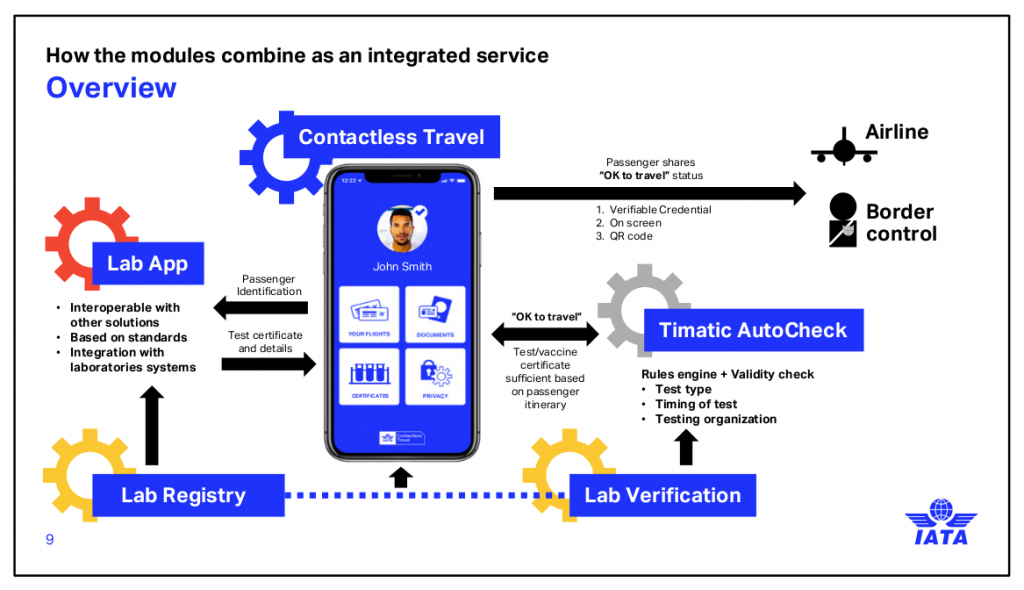
When using an eSIM abroad, public Wi-Fi in hotels or cafes becomes a tempting data source, but it’s a prime spot for hackers. Always use a VPN to encrypt your connection before accessing any account or banking app. Avoid logging into sensitive services on unsecured networks; instead, rely on your eSIM’s mobile data for those tasks. Remember to turn off automatic Wi-Fi joining and file sharing. If you must connect, treat every public network as a potential threat and keep session hijacking in mind—always disconnect once you are done.
What Happens If Your Device Is Lost or Stolen
If your device is lost or stolen while using an eSIM for travel, you cannot physically remove the SIM card. Instead, you must immediately contact your eSIM provider to suspend or delete the profile, preventing unauthorized usage. This action relies on your ability to access your provider account from another device. Without this step, anyone with your unlocked phone can consume your remaining data balance. Recovery of a lost eSIM involves obtaining a new QR code or activation code for a fresh device, as the original profile cannot be transferred.
- Contact your provider to remotely suspend the eSIM profile.
- Use another device to log into your eSIM account for management.
- Request a new eSIM activation code for replacement hardware.
Troubleshooting Common Issues While Overseas
When your eSIM fails to connect abroad, first toggle Airplane Mode or manually select a network in your phone’s settings. If data is slow, ensure your device’s APN matches the eSIM provider’s specifics. Q: No signal after arrival? A: Reboot the phone and activate the eSIM via QR code again in a strong Wi-Fi spot. For intermittent drops, disable 5G and stick to LTE. Never delete the eSIM without a backup; instead, re-download the provider’s profile. These steps resolve 90% of overseas hiccups instantly.
Fixing Activation Failures or Missing Signal
If your eSIM shows “No Service” after installation, first ensure data roaming is enabled in your phone’s cellular settings—this is the most common fix. Manually select your carrier network under “Network Selection” and toggle airplane mode for 30 seconds to force a fresh signal search. Restarting the phone often resolves missing activation profiles. If the problem persists, delete the eSIM profile, re-scan the QR code with a stable Wi-Fi connection, and follow the provider’s step-by-step setup guide again.
Activation failures and missing signal usually fix with roaming enabled, manual network selection, and re-installing the eSIM profile.
Resetting Network Settings Without Losing Your Plan
When your eSIM plan fails to connect abroad, resetting your network settings often resolves the issue without deleting your plan. On iPhone, go to Settings > General > Transfer or Reset iPhone > Reset > Reset Network Settings. On Android, find the option under Settings > General Management > Reset > Reset Network Settings. This clears only saved Wi-Fi passwords, Bluetooth pairings, and cellular configurations—eSIM profiles remain intact. After the device restarts, your data plan should reactivate automatically. Do not perform a full factory reset, which can remove your eSIM entirely. This safe step restores connectivity without needing to reinstall or repurchase your travel plan.
Future Trends Shaping Mobile Connectivity for Tourists
Imagine stepping off a plane in Tokyo and your phone instantly latches onto a local network, not through a physical SIM swap, but via an eSIM profile you downloaded at the gate. Future trends are refining this seamlessness, moving toward hyper-personalized connectivity that adapts as you move. Soon, your travel eSIM could automatically prioritize the strongest local carrier for a remote trail in Patagonia, then switch to a high-speed urban band for streaming a museum guide in Paris.
Connectivity will become context-aware, adjusting data speeds and roaming partners based on your real-time activities, not just your location.
This means no more hunting for Wi-Fi passwords or juggling SIM trays; your phone evolves into a silent, adaptive bridge, keeping you immersed in the moment rather than tangled in settings.
Integration with IoT Wearables and Smart Luggage
Integration with IoT wearables and smart luggage transforms travel connectivity by turning devices into autonomous connectivity hubs. A smart watch with an eSIM can independently navigate transit, unlock hotel rooms, and share location data without a paired phone. Similarly, smart luggage with embedded eSIM provides real-time GPS tracking directly to your device, alerting you if your bag is diverted. Wearables can sync flight updates to vibrate for gate changes, while luggage auto-locks when leaving a geofenced zone. This seamless, device-to-sensor ecosystem eliminates manual logins and offers persistent, context-aware connections for every item you carry.
Potential Impact of Global eSIM Standards on Pricing
A global eSIM standard would compress pricing by eliminating proprietary roaming agreements and regional hardware variations. Travelers would benefit from a unified marketplace where data packages compete solely on speed and volume, driving costs toward a transparent floor. This standard forces providers to slash overhead, passing savings directly to the user as plan pricing becomes more elastic and predictable across destinations. Standardized global eSIM pricing would ultimately decouple cost from geography, making long-term travel data significantly cheaper.
Q: Will global standards eliminate short-term tourist plan markups?
A: Likely yes, as open competition on a single standard erases the high premiums currently charged for temporary regional access, aligning tourist pricing with local rates.