
Exploring the psychology behind gambling behavior and choices
The Temptation of Risk
Gambling draws individuals by tapping into the inherent thrill of risk-taking. The exhilaration derived from wagering can provide a temporary escape from daily routines, allowing individuals to pursue excitement and adrenaline. This attraction often amplifies during significant life events or stressors, with gambling perceived as a way to attain immediate gratification or relief.
Moreover, the allure of potentially large payouts further entices individuals. The psychology of jackpots sparks the imagination, leading to a focus on net benefits rather than the odds of winning. This phenomenon is often described as the “gambler’s fallacy,” where people believe that previous outcomes affect future probabilities, leading to unrealistic expectations about their winning chances.
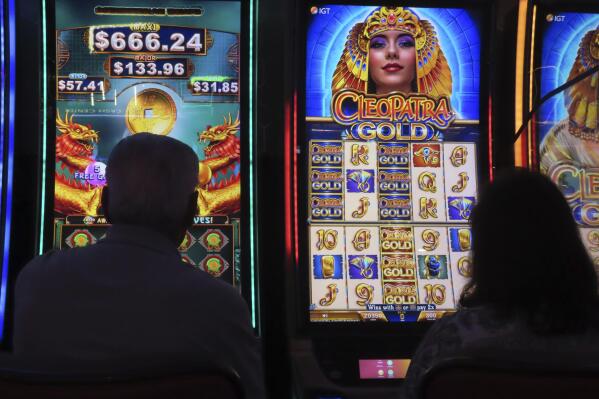
As individuals indulge in gambling, they often find themselves swept away by the thrill of possibility. The idea of striking it rich can cloud judgment, making players more likely to overlook the statistical realities of their situation. This mindset may be further exacerbated by storytelling around gambling successes, where the few winners become highly publicized, overshadowing the many who lose. Consequently, this romanticized view contributes indirectly to the continuation of gambling behavior.
The Role of Cognitive Biases
Cognitive biases play a crucial role in the choices that gamblers make. One common bias is confirmation bias, where individuals seek information or experiences that align with their pre-existing beliefs about luck or skill. For example, a gambler may focus on their winning moments while ignoring losses, creating a distorted perception of their overall performance.
Additionally, the illusion of control can lead gamblers to believe they can influence outcomes. This false sense of mastery often leads individuals to develop personal strategies or systems, reinforcing their continued involvement despite unfavorable results. Such thought patterns can create a cycle of behavior that is difficult to break.

Another cognitive bias known as the availability heuristic can worsen the situation, as recent wins are more readily recalled than losses, leading gamblers to overestimate their likelihood of success. This cognitive distortion can create an optimism bias that drives ongoing participation, despite the evidence suggesting otherwise.
Emotional Triggers in Gambling
Emotions significantly impact gambling behavior. Many individuals gamble to cope with negative feelings such as anxiety, depression, or loneliness. The fleeting moments of joy during gambling can serve as a distraction, momentarily alleviating emotional discomfort. However, this reaction can create an unhealthy reliance on gambling for emotional management.
Moreover, the environment in which gambling takes place can further intensify emotional responses. Bright lights, celebratory sounds, and the presence of others all contribute to a unique atmosphere that may heighten excitement and anticipation. This designed experience can foster a sense of connection and shared experience, making it even more enticing.
In addition, the rush of winning can trigger the release of dopamine in the brain, reinforcing the behavior. This biochemical reaction can create a feedback loop, making individuals seek out the gambling experience to replicate those high feelings. However, as highs are quickly followed by lows, this can also lead to compulsive gambling behavior over time.
Social Influences on Gambling Behavior
Social context plays a pivotal role in shaping gambling behavior and choices. Societal norms and peer influences can encourage individuals to participate in gambling activities. The social aspect of gambling, whether at a casino or online, often creates an environment where sharing experiences reinforces the behavior.
Furthermore, marketing and advertising strategies often depict gambling as a glamorous and socially rewarding activity. This portrayal can influence individuals, leading them to perceive gambling as a standard pastime rather than a potentially harmful behavior. The normalization of such activities contributes significantly to the decisions individuals make in this context.
Friends and family members can also play a significant role in shaping one’s gambling habits. Positive reinforcement from peers can encourage an individual to gamble more, while negative consequences may go unnoticed in a highly social gambling environment. Such dynamics often blur the line between casual entertainment and problematic gambling behavior, making it essential to understand these social influences.
Discover More About Gambling Psychology
For those interested in a deeper exploration of the psychology behind gambling behavior and choices, various resources can provide valuable insights. Websites like ice fishing casino offer articles and information that delve into the intricate dynamics at play in gambling.
Understanding these psychological elements can empower individuals to make informed decisions regarding their gambling behaviors. By recognizing the underlying motivations and influences, individuals can develop healthier relationships with gambling and mitigate the potential risks involved.
Additionally, seeking out support systems, either through professional counseling or support groups, can help those struggling with gambling issues. Such resources can provide tools to address addictive behaviors, enabling individuals to reclaim control over their gambling choices. By combining knowledge with support, individuals can work towards healthier leisure activities and emotional management strategies that don’t rely on gambling.